What are the most dangerous circuits in the Formula 1 world?
Formula 1 has always combined extraordinary speed with considerable risk. And before the next Formula 1 Grand Prix takes place, you can enjoy the 1xBet Sri Lanka online casino and its huge collection of games.
Although modern safety standards have transformed the sport, several circuits remain associated with some of its most dangerous moments. There are 3 elements that can help elaborate a list of some examples:
- history;
- circuit characteristics;
- and major accidents.
With the online casino from 1xBet Sri Lanka you can also have fun after a great Formula 1 race has ended.
Perhaps the most notorious is the Nürburgring Nordschleife in Germany. The original circuit stretched for roughly 23 kilometres through the Eifel mountains, featuring blind corners, dramatic elevation changes and limited opportunities for drivers to escape a crash. Conditions during the 1976 German Grand Prix were particularly dangerous: rain and fog reduced visibility, while Niki Lauda suffered a devastating accident at Bergwerk. His Ferrari caught fire, and Lauda was rescued by fellow drivers. The accident ultimately helped bring Formula 1 racing on the old Nordschleife to an end.
Other examples that have seen dangers and accidents
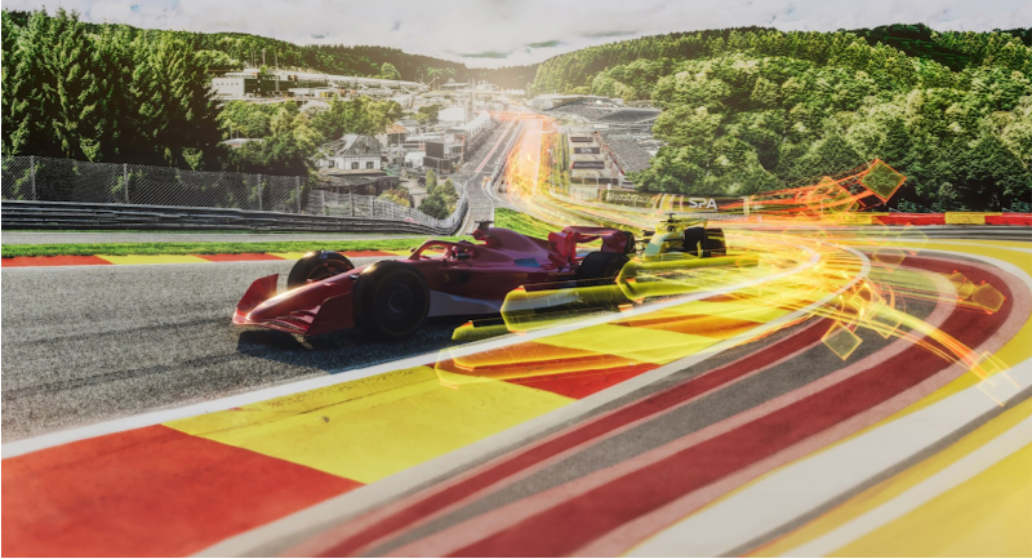
Spa-Francorchamps in Belgium is another legendary example. The modern circuit is considerably safer than its historic predecessor, but it remains exceptionally fast. Its seven-kilometre layout includes major elevation changes, high-speed corners and the famous Eau Rouge-Raidillon sequence. Unpredictable Ardennes weather can make conditions change dramatically within a single lap.
Imola, officially the Autodromo Enzo e Dino Ferrari, carries perhaps the darkest recent reputation. The 1994 San Marino Grand Prix saw the deaths of Roland Ratzenberger and Ayrton Senna. The tragedy prompted major changes to the circuit and accelerated Formula 1's wider safety revolution. Tamburello and Villeneuve, two previously extremely fast corners, were converted into slower chicanes with additional run-off.
Finally, Monza in Italy also has a long and dangerous history. Its combination of very high speeds and relatively little margin for error has made it one of Formula 1's most demanding venues. The circuit has been repeatedly modified, particularly after the safety reforms of the 1990s, to provide greater protection for drivers.
Today, these circuits are far safer than they were decades ago. Advanced cars, helmets, barriers, medical facilities and extensive run-off areas have dramatically reduced the consequences of crashes.