Why Filmmakers Need the Best AI Video Generators for Horror
Horror filmmaking thrives on visceral impact—the sudden chill, the creeping dread, the unforgettable monster that haunts audiences long after the credits roll. Yet creating these powerful moments demands resources that independent filmmakers rarely possess. The modern horror creator faces a persistent dilemma: how to translate ambitious nightmares into visual reality when budgets are tight, timelines are compressed, and traditional VFX remain prohibitively expensive. Enter AI video generators, tools that are rapidly transforming from experimental novelties into essential creative instruments. For filmmakers eyeing opportunities like the Hailuo Horror Film Contest, these technologies offer a genuine competitive advantage. AI now assists across the entire production pipeline—generating otherworldly concept art during ideation, creating sophisticated pre-visualization sequences that communicate vision to collaborators, and enhancing post-production with effects that would otherwise require studio-level budgets. The question is no longer whether to use AI, but how to wield these tools strategically to craft horror films that captivate judges, terrify audiences, and stand out in an increasingly crowded festival landscape.
The Horror Filmmaker's Challenge: Creativity vs. Constraints
Independent horror filmmakers face a brutal paradox. The genre demands visual spectacle—creatures that defy nature, environments that breathe malevolence, atmospheric effects that transform mundane spaces into psychological battlegrounds. Yet these same creators operate on budgets that wouldn't cover a single day of studio VFX work. A convincing practical monster suit costs thousands and requires skilled fabricators. Location scouting for genuinely unsettling environments means travel expenses and permits. Even basic digital effects like realistic shadows, fog, or blood splatter require software expertise and rendering time that many filmmakers simply don't possess. Film contests compound these pressures with unforgiving deadlines, often giving creators mere weeks to conceive, produce, and polish entries that must compete against hundreds of submissions. The Hailuo Horror Film Contest and similar competitions represent vital opportunities—platforms where emerging filmmakers gain industry visibility, secure distribution deals, and build reputations. But standing out requires production quality that signals professionalism, not just raw talent. Traditional paths to achieving this quality involve choosing between compromising creative vision or exhausting resources on a single project. AI video generators fundamentally alter this equation. These tools don't eliminate the need for storytelling skill or directorial vision, but they democratize access to visual sophistication. A filmmaker can now generate dozens of creature concepts in an afternoon, pre-visualize complex sequences without hiring storyboard artists, and enhance footage with effects that previously required specialized teams. For contest submissions where every frame counts, AI transforms constraints into creative possibilities.
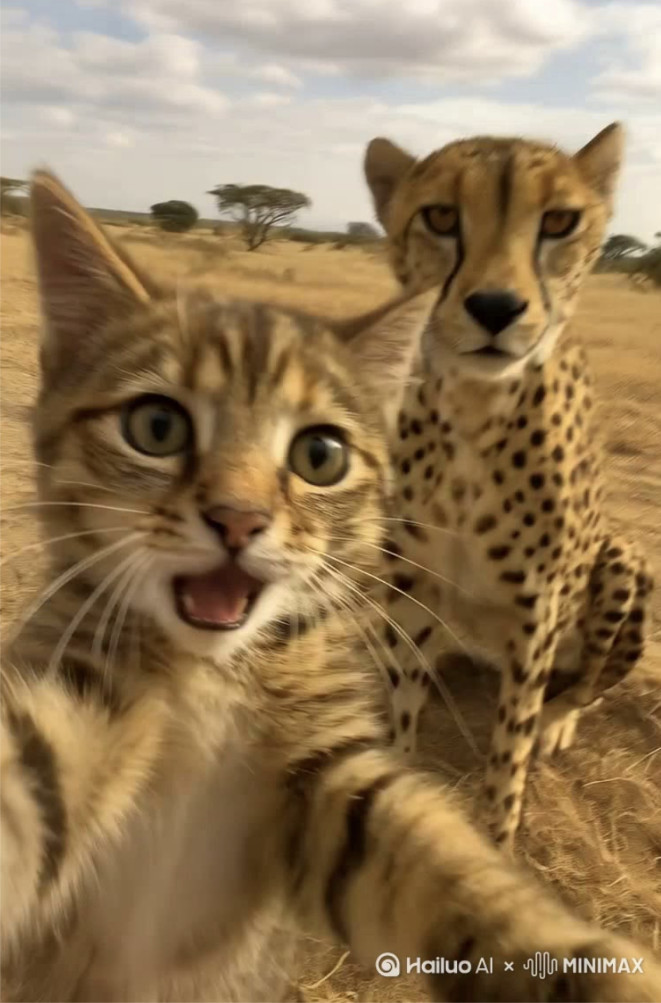
What Are the Best AI Video Generators for Filmmakers?
AI video generators represent a new category of production tools that use machine learning models to create moving images from text descriptions, reference images, or existing footage. Unlike simple filters or templates, these systems generate novel visual content—conjuring creatures that never existed, fabricating environments from imagination, and synthesizing motion that would be impossible to capture practically. For horror filmmakers, the distinction between adequate and exceptional AI tools hinges on several critical capabilities. The system must interpret genre-specific language with nuance, understanding that "eldritch horror" demands different visual treatment than "slasher villain." Consistency matters enormously—a generated creature must maintain recognizable features across multiple shots, preventing the disjointed look that screams amateur production. Control parameters separate professional-grade tools from consumer toys: the ability to dictate camera movement, adjust lighting temperature for mood, and fine-tune motion speed allows directors to maintain artistic vision rather than accepting whatever the algorithm produces. Integration capabilities determine practical utility—outputs must work seamlessly with industry-standard editing software like Premiere or DaVinci Resolve, with proper frame rates, color spaces, and resolution. The best ai video generators for horror don't just create spooky imagery; they function as reliable production partners that respect the filmmaker's creative authority while expanding what's technically achievable within budget constraints.
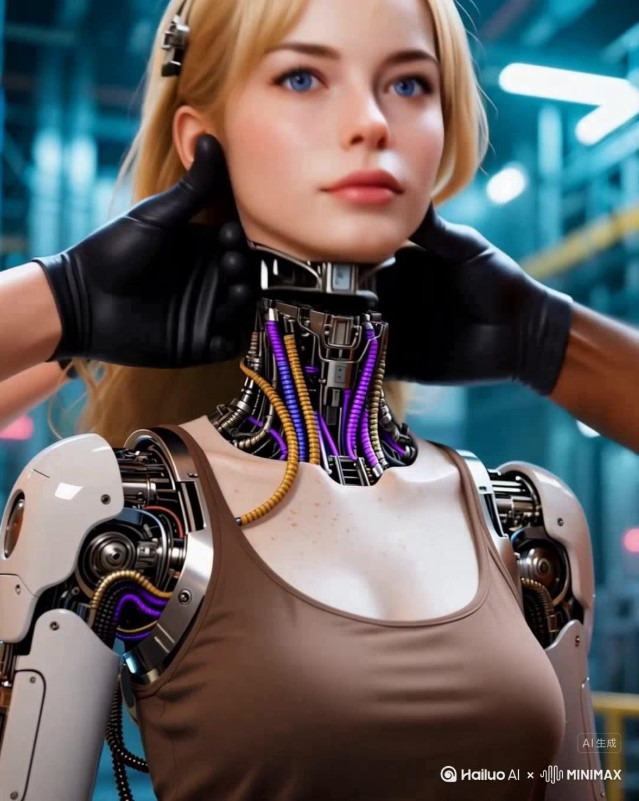
Key Features to Look for in a Horror-Focused AI Tool
Horror demands specific technical capabilities that general-purpose AI tools often lack. Prompt understanding must extend beyond basic descriptions to interpret atmospheric terminology—words like "oppressive," "liminal," or "body horror" should trigger distinct visual responses. Advanced texture control becomes essential when crafting unsettling surfaces: decaying flesh requires different algorithmic treatment than wet stone or corroded metal. Lighting manipulation separates adequate from exceptional results—the tool should allow precise control over shadow depth, color temperature shifts that signal danger, and the harsh contrasts that define horror cinematography. Some systems now generate synchronized sound effects or ambient audio beds, valuable for creating complete atmospheric sequences. The ability to produce genuinely abstract or surreal imagery matters for psychological horror, where the unsettling emerges from visual impossibility rather than explicit threat. Technical specifications directly impact contest viability: outputs must support minimum 1080p resolution with frame rates of at least 24fps for professional consideration, though 4K capability future-proofs your workflow as competition standards rise.
Practical Workflow: Using AI Generators for Your Horror Film Contest Entry
Integrating AI video generators into your contest filmmaking pipeline requires strategic planning rather than haphazard experimentation. The most effective approach treats AI as a precision instrument within a larger creative process, not a magic solution that generates finished films. Begin by identifying which aspects of your horror concept present the greatest production challenges—perhaps an otherworldly creature that practical effects can't achieve, or a nightmare sequence requiring surreal visual distortion. Map these elements against your timeline and budget, determining where AI intervention delivers maximum impact relative to effort invested. Successful contest entries maintain visual coherence, so establish your aesthetic parameters early: color palettes, lighting schemes, and motion characteristics that will unify AI-generated elements with traditionally captured footage. Create a reference library of horror imagery that captures your intended mood—screenshots from films, paintings, photographs—which you'll use to guide AI prompts and evaluate outputs. Document your workflow meticulously, as some contests require disclosure of AI usage or behind-the-scenes materials. The integration process typically follows three distinct phases, each addressing specific production needs while building toward a cohesive final submission.
Step 1: Ideation and Concept Art Generation
The earliest production phase benefits immensely from AI's ability to rapidly visualize abstract ideas. Instead of commissioning expensive concept art or struggling to communicate vision through verbal descriptions, filmmakers can generate dozens of creature designs, location concepts, and atmospheric studies within hours. Input detailed prompts describing your horror entity—specifying not just appearance but emotional intent, movement qualities, and environmental context. Generate variations systematically, adjusting parameters like "degree of decay," "symmetry versus distortion," or "organic versus mechanical elements" to explore your concept space thoroughly. These visual references become invaluable communication tools when recruiting collaborators, securing locations, or planning practical effects that will interact with AI-generated elements in post-production.
Step 2: Pre-visualization and Storyboarding
Once your core concepts solidify, AI generators create dynamic pre-visualization sequences that go far beyond static storyboards. Generate rough animatics showing camera movement, pacing, and shot composition for your most complex scenes. This proves especially valuable for horror's crucial timing—the beat before a scare, the slow reveal of a threat, the disorienting chase through impossible geometry. These pre-vis sequences help you test whether conceptual ideas actually generate desired emotional responses, allowing revisions before committing resources to production. When working with actors or crew, these animated references communicate intent far more effectively than scripts alone, ensuring everyone understands the final vision despite shooting against green screens or empty locations.
Step 3: Enhancing Production and Post-Production
During post-production, AI generators fill gaps that would otherwise require expensive VFX houses or compromise creative vision. Generate establishing shots of impossible locations—abandoned asylums on cliff edges, cities under blood-red skies—that situate your practical footage within larger horrific worlds. Create background plates for window composites, showing storms, approaching figures, or reality-distorting phenomena outside your shooting location. Apply AI-driven aging, distortion, or texture overlays to transform mundane footage into unsettling imagery. Generate custom title sequences with animated typography that emerges from darkness or distorts organically, immediately signaling production sophistication to contest judges.
Case in Point: AI and the Hailuo Horror Film Contest
The Hailuo Horror Film Contest represents exactly the type of competitive environment where AI video generators deliver measurable advantages. This platform actively seeks innovative horror storytelling that pushes creative boundaries—precisely what AI tools enable when wielded strategically. Filmmakers exploring platforms like HailuoAI can leverage these technologies to create visual signatures that distinguish their submissions from conventional entries: imagine a creature that morphs between forms in ways practical effects cannot achieve, or nightmare sequences where architecture defies physics with disturbing fluidity. The contest format rewards production polish alongside narrative strength, making AI-enhanced post-production particularly valuable for creators whose directing and writing skills exceed their technical resources. Contestants should approach AI integration transparently, documenting their creative process to demonstrate that technology serves vision rather than substituting for it. Many competitions now explicitly address AI usage in their guidelines, typically permitting these tools when filmmakers maintain creative control and disclose their workflow. The strategic advantage emerges not from AI's raw capabilities but from how thoughtfully creators deploy these tools—using them to realize specific artistic choices that strengthen horror's emotional impact. For Hailuo submissions, this might mean generating the perfect decaying mansion exterior that establishes atmosphere in the opening frames, or crafting a creature reveal that maintains suspense through precisely controlled visual distortion. Success comes from understanding AI as one instrument in a larger creative orchestra, amplifying your horror vision rather than defining it.
Navigating the Future: AI as a Collaborative Creative Partner
The introduction of AI video generators into horror filmmaking signals a fundamental shift in creative methodology rather than a replacement of artistic vision. These tools function best when filmmakers approach them as collaborative instruments that handle technical execution while humans retain authority over narrative intent, emotional pacing, and thematic depth. The most successful horror creators using AI don't simply prompt-generate finished scenes; they engage in iterative dialogue with the technology, refining outputs through multiple generations until results align with specific directorial choices. This partnership model allows filmmakers to redirect energy from technical problem-solving toward the elements that define exceptional horror—nuanced performances that convey authentic terror, story structures that subvert audience expectations, and directorial choices about what to reveal versus conceal for maximum psychological impact. As AI capabilities evolve rapidly, staying informed about emerging tools becomes part of professional practice. The best AI video generators today will be surpassed tomorrow, but the underlying principle remains constant: technology amplifies creative vision when wielded with intention and skill. Filmmakers who master these tools early establish competitive advantages in festivals and contests, demonstrating both technical sophistication and innovative thinking that judges increasingly value. The future of independent horror isn't human versus machine—it's visionary directors using every available instrument to craft films that terrify, unsettle, and linger in memory long after viewing ends.
Embracing AI Tools for Horror Filmmaking Success
Horror filmmaking has always demanded resourcefulness, but AI video generators now provide independent creators with tools that were unimaginable just years ago. For filmmakers pursuing recognition through platforms like the Hailuo Horror Film Contest, these technologies offer a direct path from ambitious vision to polished execution—without the prohibitive costs that once gatekept quality production. The practical workflow outlined here—from concept generation through pre-visualization to post-production enhancement—gives you a concrete roadmap for integrating AI strategically into your contest submission process. These aren't shortcuts that diminish craft; they're force multipliers that free you to focus on what makes horror truly effective: performances that register authentic fear, narratives that burrow into psychological vulnerabilities, and directorial choices about tension and release. As contest landscapes grow more competitive and judges increasingly value technical innovation alongside storytelling prowess, mastering the best AI video generators becomes not just advantageous but essential. The filmmakers who will define horror's next chapter are those who embrace these collaborative tools while keeping human creativity at the center—using AI to realize nightmares that audiences won't soon forget, and crafting contest entries that demand attention in an increasingly crowded field.